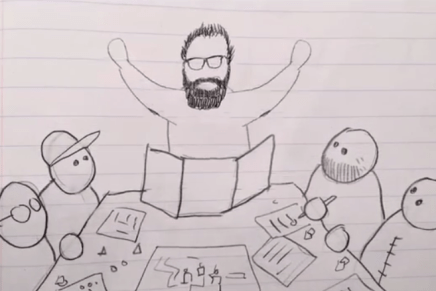
Spot Check 15: Rules Complexity and Intimidation
How does bringing new players into a group of gamers influence their group identity? How does the complexity of a game shape a new player’s experience? Find out in this installment of Spot Check!

How does bringing new players into a group of gamers influence their group identity? How does the complexity of a game shape a new player’s experience? Find out in this installment of Spot Check!
In this installment of Spot Check Flashbacks we’re going back to the beginning. This is the first episode of the series, recorded when my Kickstarter was in full swing. If you want to skip past the section about the Kickstarter, set a course for 1:50, where you’ll here me talk about the ways that we narrativize our everyday lives and how stories help us with that.
As promised, here is the most recent episode of Spot Check, the video series documenting my dissertation research into tabletop gaming. New episodes will be posted every Thursday. If you’d like to start at the beginning, you can go directly to the Youtube channel, or catch the archived episodes as they go up every Saturday. In this episode I talk about insider anthropology and gamers’ enthusiasm for bringing new people into the hobby.

After I wrote a post about “vexing” and then disappearing for six months, you could be forgiven for thinking that by “vexing” I mean “troll the blog by never posting.” My absence was not prompted by the lulz, however, but by needing to focus all of my attention on fieldwork for my dissertation on tabletop role-playing games. I still have some fieldwork left to do, but have finally been able to come up for air and share some of how my research has been going and how that relates to geek anthropology.

Errant Signal released a wonderful video yesterday about politics in video games and the importance of engaging in critical discourse about them.
Title ”Keep Your Politics Out of My Video Games”, the video opens with a description of gamers’ attitudes towards critical discussions: on one hand, they want video games to be taken seriously and respected. They want their gaming knowledge and skills to be acknowledged. On the other hand, they can react rather aggressively to any form of critical analysis of, say, the representations of ethnic groups, women, LGBT or gender roles in games.

